

Author: Maplewood Toyota Team
Welcome to your locally tailored maintenance guide, specifically designed for drivers in Saint Paul and surrounding areas like Maplewood, Roseville, and Minneapolis. With decades of service experience at Maplewood Toyota, we understand the unique demands of navigating local roads and adapting to seasonal weather changes. This guide will help you keep your Toyota running smoothly, with a recommended service schedule that takes into account our community's driving conditions and the climate we face throughout the year.
By focusing on the challenges of urban driving, from the snowy streets of winter to the stop-and-go traffic on Grand Avenue, we aim to ensure your vehicle remains reliable and ready for every journey. Whether you're commuting to work or heading out for a weekend adventure, our recommendations are crafted to support your Toyota’s performance and longevity in our vibrant community.
Why Should You Follow a Maintenance Schedule for Your Toyota?
Following a maintenance schedule is crucial for protecting your investment in your Toyota and ensuring its reliability in the unique driving conditions around Saint Paul. With the hot, humid summers and the heavy pollen that can clog air filters, local drivers face challenges that can stress vital components like fluids, belts, and filters. Regular service not only addresses these issues but also helps your vehicle perform optimally during those stop-and-go commutes along University Avenue or when navigating the snowy streets in winter.
Sticking to the recommended schedule enhances your vehicle's performance, fuel efficiency, and safety. For instance, a well-maintained RAV4 or Highlander is better equipped to handle family outings to Crosby Farm Park or trips to the Cathedral of Saint Paul, ensuring peace of mind on every journey. It's not just about avoiding breakdowns; it's about maintaining your car's intended operation for safe, efficient driving in all seasons. For more insights on vehicle care, resources like Edmunds offer a wealth of information.
How Does Toyota’s Service Reminder System Work?
Many modern Toyota vehicles notify drivers when maintenance is due through reminders based on time or mileage. Depending on the specific model and year, some vehicles may feature a simple counter, while others might provide reminders that adjust based on how the vehicle is used. This system is designed to help you stay on top of your vehicle's maintenance needs.
When maintenance is approaching, drivers typically see a dashboard message, a service indicator such as a wrench light, a maintenance reminder, or sometimes an oil-life percentage. Since the specifics can vary greatly among models, it’s crucial to consult your owner’s manual. Additionally, local driving patterns around Saint Paul and nearby areas, such as frequent short trips, stop-and-go traffic, towing, or seasonal temperature fluctuations, can influence how often you may need service.
What Does the Primary Service Reminder Mean?
After understanding how service reminders work in general, the primary service reminder is a high-level alert indicating that scheduled maintenance is due or approaching. Depending on the vehicle, this reminder may manifest as a simple message or light, while others may offer more detailed information through a maintenance screen or menu. Since the specifics can vary by model and year, consulting the owner's manual or the in-vehicle maintenance display is the best way to determine what services are needed.
Primary reminder: This serves as a general signal to review your vehicle's scheduled maintenance guidance and plan for service. It typically indicates that maintenance is due, though it may not explicitly list every specific item.
Additional details (if shown): Some vehicles provide extra information—such as a maintenance screen, percentage indicators, descriptive messages, or symbols—that can help clarify what requires attention. If your vehicle offers these details, use them alongside the owner's manual to verify the recommended services.
What Do Additional Service Indicators Mean?
Many vehicles go beyond the primary service reminder, offering additional details like extra items, symbols, or menu entries to clarify upcoming maintenance needs. Understanding these indicators can help you determine what specific services may be due, but the exact meanings can vary by vehicle. Always check your owner’s manual or the vehicle display for precise information.
- Tire rotation: Regular tire rotation helps ensure even tread wear and stable handling. In Saint Paul, with frequent stop-and-go traffic and highway commutes, your tires may wear differently, making this service essential.
- Engine and cabin air filters: These filters are vital for maintaining airflow to your engine and ensuring clean air inside your vehicle. Local conditions, like dust and pollen during spring, can clog them faster than you might expect.
- Transmission fluid: This service may be recommended based on your driving patterns. If you're often navigating hilly terrain or making short trips around Minneapolis, your transmission may experience increased heat and wear.
- Spark plugs and valve clearance check (when applicable): Spark plugs typically need replacement at set intervals, and some engines may also require a valve clearance inspection, especially as mileage accumulates.
- Engine coolant: Coolant regulates engine temperature and protects components. During hot weather or long highway drives near the Mississippi River, your cooling system can see extra stress, making this service crucial.
- Rear differential fluid (AWD/4WD, if equipped): For vehicles with AWD or 4WD, maintaining differential fluid is important, especially if you drive on uneven surfaces or in wet conditions common in the area.
- Brake fluid: Over time, brake fluid can absorb moisture, impacting braking performance. If your vehicle indicates the need for brake fluid service, it's important to follow the recommended intervals based on your driving conditions.
What is a Typical Toyota Service Schedule for Saint Paul Drivers?
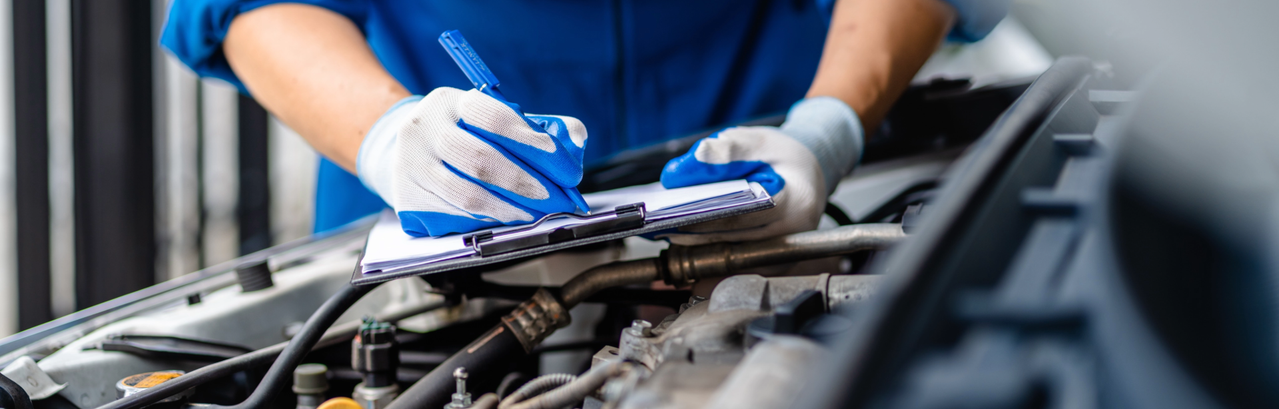
Even if your Toyota provides service reminders or maintenance information in the dash/menu, it’s still helpful to understand the typical timing of maintenance milestones so you can plan ahead. The overview below is a general reference designed to complement your owner’s manual and any in-vehicle guidance (if equipped), and it accounts for common driving patterns in Minnesota—like short trips, stop-and-go traffic along roads like University Avenue, steady highway driving on I-94, and seasonal temperature changes that can affect vehicle performance.
What Services Are Needed in the First 30,000 Miles?
During the initial 30,000 miles, most drivers typically focus on essential services such as routine oil changes, tire rotations, and filter maintenance. The timing for these services can vary based on your specific Toyota model, the way it's driven, and the recommendations outlined in the vehicle's owner’s manual.
Oil service: Many Toyota vehicles may require an oil change after several thousand miles. If you're frequently navigating the stop-and-go traffic on streets like Summit Avenue or Grand Avenue in Saint Paul, you might find that your oil service needs come up sooner than expected.
Tire rotations and filters: Tire rotations are commonly recommended at regular intervals, often aligning with oil changes. Additionally, engine and cabin air filters should be monitored closely, especially given the potential build-up from dust and seasonal pollen in the Saint Paul area.
What Maintenance Should Be Done Between 30,000 and 60,000 Miles?
As your Toyota reaches the 30,000 to 60,000 mile mark, maintenance evolves from basic tasks to focusing on the health of key systems. The specific services required can vary based on your model, powertrain, and driving habits.
What Major Services are Required Approaching 100,000 Miles?
As your Toyota approaches the 100,000-mile mark, several key maintenance tasks often come into focus. While the specific requirements can vary by model and engine, it's crucial to refer to your owner’s manual and any in-vehicle maintenance notifications to determine what is applicable to your vehicle.
Spark plugs: Many Toyota models, like the RAV4 and Camry, typically recommend spark plug replacement around this mileage. Fresh spark plugs are essential for maintaining engine efficiency, ensuring smooth starts, and enhancing overall reliability as the vehicle ages. This is especially important for Saint Paul drivers who navigate both busy urban streets and winding roads.
Timing belt (if equipped) and coolant service: Some older engine designs come with a timing belt that may have a specific replacement interval, while many newer models utilize timing chains that don’t require regular replacement. Additionally, performing a coolant flush or replacement is often advised to protect your cooling system from corrosion and overheating, especially during Minnesota's harsh winters. Staying on top of these services not only supports your vehicle's performance but also helps maintain its long-term value. For insights into how regular maintenance can affect resale values, consider checking Kelley Blue Book.
Why is Local Expertise Important for Servicing Your Toyota?
Having a service team that understands the unique driving conditions of Saint Paul is invaluable for keeping your Toyota in top shape. With the area’s fluctuating temperatures and high humidity, especially during summer, our technicians are well-versed in how these factors affect your vehicle’s cooling systems and overall performance. Additionally, the fine pollen and clay prevalent in the spring can clog air filters faster than in other regions, necessitating more frequent inspections to ensure your vehicle runs cleanly and efficiently.
Local technicians are also adept at identifying specific wear patterns caused by the city’s traffic dynamics—think of the stop-and-go conditions on Summit Avenue or the busier stretches of University Avenue. This local expertise not only helps in addressing potential issues before they become major concerns, but it also instills confidence in the safety and reliability of your Toyota. For more information on vehicle safety, you can explore resources from the National Highway Traffic Safety Administration (NHTSA).
Frequently Asked Questions (FAQs)
How often should I change my oil in Saint Paul’s climate?
Your vehicle’s service reminder or owner’s manual is the most reliable guide, as oil change intervals can depend on driving conditions and habits. For many drivers in Saint Paul, especially with our cold winters, changing the oil regularly with synthetic oil is common.
Are all-season tires sufficient for winter driving in Saint Paul?
While all-season tires work well for most of the year, winter tires are recommended for optimal traction during snowy and icy conditions common in Saint Paul. Switching to winter tires can significantly improve your vehicle's handling on roads like Summit Avenue and Ayd Mill Road.
Does commuting on local highways affect my maintenance schedule?
Yes, it does. Frequent stop-and-go traffic on I-94 and I-35E can be harsher on your vehicle compared to steady highway driving, potentially requiring more frequent maintenance checks. Your car’s service reminder system may adjust for these conditions.
How often should I replace my cabin air filter?
It’s advisable to inspect your cabin air filter regularly, particularly after the heavy pollen season in spring. For many Saint Paul drivers, replacing it helps ensure clean air inside the vehicle, especially during allergy season.
Is all-wheel drive (AWD) beneficial for driving in this area?
AWD can be a significant advantage for navigating snowy streets in Saint Paul, enhancing traction and stability during winter storms. This added confidence is especially important when driving on local roads or during sudden snowfalls.
What maintenance schedule should I follow for older vehicles without a service reminder?
For older models lacking a service reminder, a good rule is to change the oil regularly if using conventional or synthetic oil. Following your owner’s manual for other maintenance items like filters and fluid changes is also crucial for keeping your vehicle running smoothly.
About Maplewood Toyota
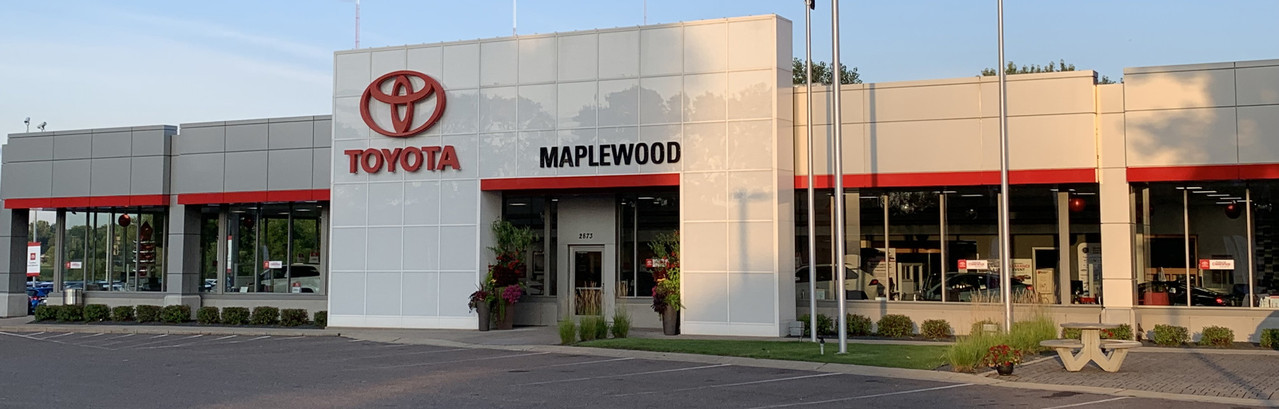
Maplewood Toyota has been a family-owned and operated dealership serving the Twin Cities community with pride and integrity for over 40 years. The dealership is a multi-year winner of the prestigious Toyota President's Award, a testament to its unwavering commitment to customer satisfaction. Its team is dedicated to providing a transparent, respectful, and positive experience for every customer who walks through the doors.
Related Articles:
Why Your Choice of Toyota Dealership in Maplewood, MN Matters