
Author: Maplewood Toyota Team
Selecting a Toyota dealership is more than just a step in the car-buying process; it's the start of a long-term relationship for your vehicle. A dealership becomes your partner for maintenance, navigating warranties, and ensuring your ownership experience is smooth and rewarding. As an award-winning dealership serving the Twin Cities for over 40 years, our team at Maplewood Toyota has the expertise to guide customers through every aspect of Toyota ownership. From finding the perfect new RAV4 for a weekend trip up to Duluth to servicing your trusted Camry for the daily commute on I-94, your choice of dealership defines your journey.
Key Takeaways (TL; DR)
- Total Cost Matters: Your dealership choice influences more than the sticker price; it affects your total cost through financing options, trade-in values, and maintenance efficiency.
- Inventory Transparency is Crucial: Top dealerships provide real-time online inventory with upfront pricing and vehicle-specific details, empowering you to make decisions with confidence.
- Service Expertise Protects Your Investment: Choosing a center with Toyota-certified technicians ensures your vehicle, especially advanced hybrids, is handled correctly, preserving its warranty and value.
- Recognized Excellence: Look for dealerships with awards and positive customer feedback, as these are indicators of a consistent commitment to satisfaction and service quality.
- Community Connection: A dealership involved in the local Maplewood community shows a deeper commitment to its neighbors, not just its customers.
- Modern Tools Simplify Your Life: Access to modern online tools for scheduling, financing, and browsing shows a dealership is invested in making your experience convenient now and in the future.
What Are the Dangers of Choosing the Wrong Dealership?
Many drivers in the Saint Paul area don't recognize the profound impact a dealership can have on their ownership experience until a problem arises. Choosing an underperforming dealership can lead to a series of frustrations that go far beyond a single bad visit. For instance, some service centers might use non-genuine parts to cut costs, which can jeopardize your vehicle's performance and potentially void its factory warranty. This leaves you financially responsible for repairs that should have been covered.
Imagine getting a great deal on a new Highlander, only to find undisclosed fees added to the final contract. Or picture taking your car in for a simple fix, but due to untrained technicians, you end up with repeat visits and unresolved issues. These scenarios are all too common and highlight the risks involved.
- Voided Warranties: Using aftermarket parts or unapproved service methods can nullify your Toyota factory warranty, leaving you unprotected against future defects.
- Hidden Fees: Some dealerships add surprise charges during the final purchasing stages, inflating the cost well beyond what was initially advertised.
- Subpar Service Quality: Technicians without specific Toyota training can misdiagnose problems, leading to ineffective repairs and more time spent at the shop.
- Low Trade-In Offers: A dishonest evaluation of your current vehicle can result in a trade-in offer that is thousands of dollars below its actual market value.
- Lack of Transparency: Vague pricing, rushed paperwork, and poor communication create a stressful and untrustworthy environment that undermines your confidence.
Choosing the right Toyota dealership from the beginning protects your investment. It saves you time on future service appointments and helps build a relationship with a team that values your trust and loyalty.
How Do You Identify a Reputable Toyota Dealership?

Not all dealerships operate with the same level of integrity or expertise. To find a trustworthy Toyota partner in the Minneapolis-Saint Paul metro, you need to look for specific indicators of quality and customer commitment. Researching these factors beforehand ensures you connect with a team that prioritizes your satisfaction.
Begin by examining a dealership’s online reputation. Platforms like Google, DealerRater, and even local community forums provide unfiltered feedback from actual customers. Look for patterns in comments that praise transparency, friendly staff, and efficient service.
- Consistent Online Reviews: A high rating, such as 4.5 stars or more, combined with detailed reviews, shows a track record of positive experiences.
- Official Toyota Certification: Ensure the dealership is authorized for programs like ToyotaCare and sells Toyota Certified Used Vehicles, which guarantees adherence to Toyota's strict standards.
- Transparent Pricing: Reputable dealers display clear pricing on their websites, including MSRP and any applicable discounts, without forcing you to submit a form just to see a price.
- Experienced Staff: A dealership with long-tenured employees, from sales to service, often indicates a stable and positive work environment, which translates to better customer service.
- Modern Digital Tools: An easy-to-use website with real-time inventory, online service scheduling, and financing calculators demonstrates a commitment to customer convenience.
- Community Engagement: Dealerships that are active in local Maplewood or Roseville events and charities show they are invested in the community for the long haul.
What Questions Should You Ask Before Selecting a Dealership?
Before you commit to any dealership, asking a few pointed questions can reveal a lot about their business practices and customer focus. A dealership that answers confidently and clearly is more likely to be a reliable partner.
- Are your service technicians factory-trained and Toyota-certified?
- Can you provide digital estimates for financing and trade-in values online?
- Is your online vehicle inventory updated in real-time?
- Do you have specialized equipment and training for servicing hybrid and electric models?
- What guarantees or warranties do you offer on your repair work and the parts you use?
How Can You Properly Evaluate a Dealership’s Inventory?
A dealership’s inventory is more than just the number of cars on the lot. A high-quality inventory experience is defined by accessibility, accuracy, and a selection that truly meets the needs of local drivers, from Minneapolis commuters to families in the suburbs. A top-tier Toyota dealership should offer a digital-first approach where you can browse, filter, and compare vehicles with up-to-date information before you even think about visiting. In an age where online research is paramount, dealerships that hide pricing or lack real-time inventory systems are falling behind customer expectations.
What Should Inventory Transparency Look Like?
When browsing a dealership's website, look for these features as signs of a transparent and customer-focused operation. These tools empower you to shop on your terms.
- Live Inventory Feed: The website should feature searchable listings with VIN-specific data that is updated daily, ensuring the car you see online is actually available.
- Pricing with Disclosures: Look for upfront pricing that includes the MSRP, any dealer discounts, and a clear breakdown of additional fees.
- Multiple Views: Listings should include high-quality photos of the actual vehicle's interior and exterior, not just generic stock images.
- Trim and Package Details: Features like all-wheel drive (AWD), hybrid powertrains, or technology packages should be clearly labeled, with tools to compare different trims side-by-side.
- Reserve or Build Options: The ability to reserve an incoming vehicle or build and price a custom order is essential, especially for high-demand models.
What is the Difference Between New and Certified Pre-Owned?

You will generally find both new Toyotas and Toyota Certified Used Vehicles (TCUV) at a dealership. While a new car offers the latest technology and a full factory warranty, certified pre-owned Toyotas provide an excellent balance of value and peace of mind.
A vehicle must pass a rigorous 160-point inspection to become certified. This process is detailed by resources like Edmunds, which outlines what makes a CPO program valuable. Certified status includes:
- A 12-month/12,000-mile limited comprehensive warranty.
- A 7-year/100,000-mile limited powertrain warranty.
- One year of roadside assistance.
Both new and certified vehicles should be easy to browse on the dealership’s website, with clear information about their eligibility for programs like ToyotaCare or special financing offers. If you can’t quickly determine which incentives apply to a vehicle, the dealership may not be fully transparent.
| Feature | New Toyota | Certified Pre-Owned Toyota |
|---|---|---|
| Warranty Coverage | 3-year / 36,000-mile bumper-to-bumper. | 12-month comprehensive plus a 7-year powertrain warranty. |
| ToyotaCare Eligibility | Yes, included with purchase. | Depends on the model's age and mileage. |
| Inspection Requirements | Factory quality assurance at production. | A comprehensive 160-point certified inspection. |
| Cost Savings | Highest MSRP but lowest initial maintenance. | Lower purchase price with the added value of an extended warranty. |
What Are Toyota’s Most Popular Models for Minnesota Drivers?
Toyota’s lineup is celebrated for its reliability, efficiency, and variety, offering a vehicle for nearly every Minnesota lifestyle. Whether you need a fuel-sipping sedan for your commute down I-35E, a rugged truck for a weekend of fishing, or an innovative EV, Toyota delivers models that consistently earn top marks in customer satisfaction.
What are Toyota’s Best-Selling Sedans?
Toyota sedans are cornerstones of the brand, known for their comfortable rides, great fuel economy, and strong resale value, making them perfect for navigating city streets and highways around the Twin Cities.
- 2025 Toyota Camry: A perennial favorite, the all-new 2025 Camry is now exclusively a hybrid, offering a powerful and highly efficient ride. It comes standard with Toyota Safety Sense 3.0 and is available with all-wheel drive, making it a fantastic choice for Minnesota's unpredictable weather.
- 2025 Toyota Corolla: As one of the world's best-selling cars, the Corolla is prized for its affordability, dependability, and impressive fuel efficiency. Available as a sedan, hatchback, or a sporty GR model, it's a versatile choice for first-time buyers and urban dwellers.
- 2025 Toyota Prius: The icon of hybrid technology, the latest Prius boasts a stunning new design, advanced features, and exceptional MPG ratings. The available AWD-e system provides extra confidence on slippery roads, making it a smart and stylish choice for the eco-conscious Minnesotan.
Which Toyota SUVs are Most Popular?
Toyota’s diverse SUV lineup ranges from compact crossovers perfect for city life to full-size family vehicles ready for a trip to the North Shore. All are known for their versatility and robust performance.
- 2025 Toyota RAV4: The RAV4 continues to dominate the compact SUV segment with its blend of practicality, comfort, and efficiency. The Hybrid and Prime (PHEV) models offer outstanding fuel economy, and its available AWD systems are perfect for handling everything from snowy streets in Roseville to gravel roads up north.
- 2025 Toyota Highlander: A top choice for families, this mid-size SUV offers three rows of seating, a host of safety features, and a comfortable, quiet ride. The Highlander Hybrid delivers excellent fuel economy without compromising on space or power, making it ideal for road trips.
- 2025 Toyota 4Runner: For those who venture off the beaten path, the all-new 2025 4Runner arrives with a complete redesign. Built on a rugged new platform with available hybrid power, it retains its legendary off-road capability while adding modern technology and improved on-road manners.
- 2025 Toyota Grand Highlander: For families needing even more space, the Grand Highlander offers a roomier third row and expansive cargo area. It’s designed for those who need maximum passenger comfort and capacity for long journeys or hauling sports gear around town.
What are Toyota’s Most Popular Trucks?
Toyota trucks are synonymous with toughness, capability, and holding their value. They are built to handle tough jobs and recreational adventures alike.
- 2025 Toyota Tacoma: The best-selling mid-size pickup for years, the recently redesigned Tacoma is revered for its off-road prowess, reliability, and powerful new engine options, including a hybrid. It's a favorite among outdoor enthusiasts who need a capable yet maneuverable truck.
- 2025 Toyota Tundra: Toyota’s full-size truck offers impressive towing and hauling capabilities powered by the standard i-FORCE twin-turbo V6 or the available i-FORCE MAX hybrid powertrain. The Tundra's comfortable cabin and robust performance make it a strong contender for work and play.
What Are Toyota’s Electric and Electrified Models?
Building on decades of hybrid leadership, Toyota is expanding its lineup of vehicles that run partly or fully on electricity, combining efficiency with the latest technology.
- 2025 Toyota bZ4X: As Toyota’s first globally available battery-electric vehicle (BEV), the bZ4X offers a modern design, a comfortable interior, and a competitive range. With available all-wheel drive, it represents Toyota's commitment to a carbon-neutral future.
- 2025 Toyota RAV4 Prime: A Plug-in Hybrid Electric Vehicle (PHEV), the RAV4 Prime boasts a significant all-electric range, allowing many drivers to handle their daily commute on I-694 without using a drop of gas. It also delivers thrilling performance and exceptional fuel economy.
Is it Better to Lease or Finance a Toyota?
Deciding whether to lease or finance your next Toyota in Maplewood depends on your driving habits, financial goals, and personal preferences. Leasing often means lower monthly payments and the ability to drive a new vehicle every few years, which is ideal if you enjoy the latest technology and drive less than 12,000 miles annually. Financing, however, allows you to build equity and own the vehicle outright after the loan is paid off.
A knowledgeable finance department at a reputable dealership will help you explore both paths without pressure. They should provide clear comparisons of monthly payments, total costs, and the long-term benefits of each option. Reputable sources like Consumer Reports offer excellent guides on the pros and cons of leasing versus buying.
| Feature | Leasing a Toyota | Financing a Toyota |
|---|---|---|
| Monthly Payment | Typically lower than a loan payment. | Higher, but each payment builds ownership equity. |
| Vehicle Ownership | You return the vehicle at the end of the term. | You own the vehicle after paying off the loan. |
| Mileage Limits | Yes, usually between 10,000 and 15,000 miles per year. | No restrictions on how much you can drive. |
| Best For | Drivers who prefer a new car every 2-3 years and have predictable mileage. | Those who plan on long-term ownership and want to build an asset. |
What are the Benefits of Toyota-Certified Service?
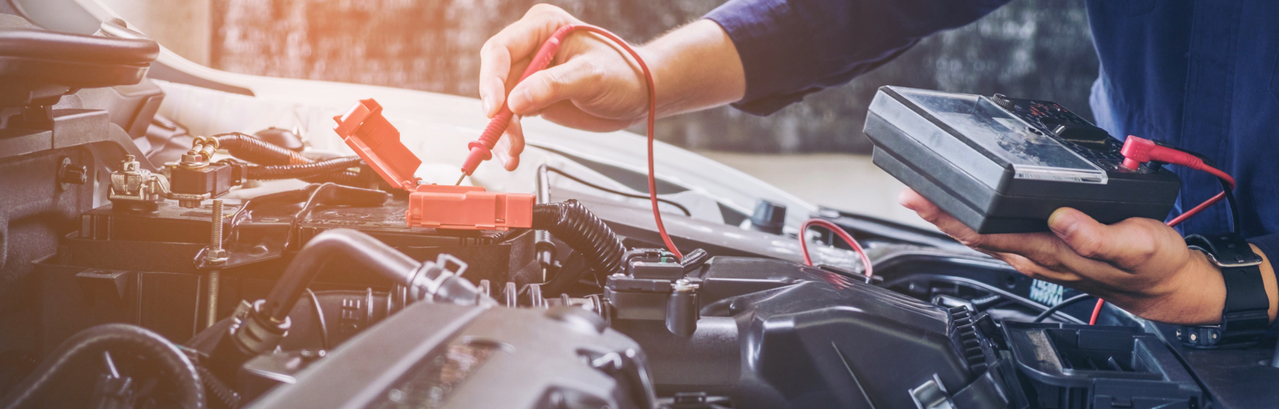
When it comes to maintaining your Toyota, not all service centers offer the same level of quality. While independent repair shops might advertise lower prices, they often lack the specialized training, diagnostic tools, and Original Equipment Manufacturer (OEM) parts needed to service Toyota vehicles to factory standards. A Toyota-certified service department makes a measurable difference, especially for protecting your vehicle’s warranty, performance, and resale value.
What Makes a Service Department “Toyota-Certified”?
A service department that is "Toyota-certified" has been officially recognized by Toyota for meeting its highest standards. This certification means the service center:
- Employs factory-trained technicians who have completed Toyota’s official, ongoing training programs.
- Uses Genuine Toyota Parts for all repairs and maintenance, ensuring perfect fit and function.
- Is equipped with Toyota-approved diagnostic tools and equipment to accurately identify and fix issues.
- Is authorized to perform all warranty-related services and safety recalls according to Toyota's protocols.
Bringing your vehicle to a certified center means that whether you need a routine oil change for your Corolla or a complex hybrid system diagnostic on your Prius, the work will be done by experts who know your vehicle inside and out.
Dealership Service vs. Local Mechanic: What’s the Real Difference?
Many drivers wonder why they shouldn't just take their Toyota to a local mechanic. Here's a clear comparison:
| Service Feature | Toyota-Certified Dealership | Independent Mechanic |
|---|---|---|
| Technician Training | Continuous, factory-provided training on all Toyota models. | General automotive knowledge, may not be current on new models. |
| Parts Used | OEM Toyota parts that are backed by a warranty. | Often uses aftermarket parts with varying quality and no factory support. |
| Warranty Protection | All work is done to maintain your factory warranty. | Improper repairs or parts could lead to a denied warranty claim. |
| Hybrid & EV Capability | Full diagnostic and repair support for all electrified systems. | Often has limited or no ability to service complex hybrid or EV systems. |
| Access to Recalls & TSBs | Immediate access to Toyota's official recall and Technical Service Bulletin database. | No direct access; relies on publicly available information which may be delayed. |
What Service Center Features Matter Most?
The best Toyota dealerships enhance the service experience with convenient features designed around your busy life.
- Online Scheduling: Book your appointment from anywhere, anytime, with real-time availability.
- Shuttle or Loaner Cars: Get a ride or a temporary vehicle to keep your day moving during longer repairs.
- Comfortable Waiting Areas: A clean waiting area with complimentary Wi-Fi and refreshments makes short waits more pleasant.
If a dealership isn't offering modern conveniences like text message updates on your vehicle's status or digital access to your service history, they may not be focused on delivering a top-tier customer experience.
Why Should I Trade In My Car at a Toyota Dealership?
Your current vehicle is a valuable asset that can simplify the purchase of your next one. Trading in your car at a Toyota dealership can lower the cost of your new vehicle, reduce your monthly payments, and save you the hassle of selling it privately. To get the most value, it’s helpful to understand how dealerships appraise vehicles and what factors influence the final offer.
How Do Toyota Dealerships Value a Trade-In?
Trustworthy dealerships use a transparent process to determine your trade-in's value. They typically rely on third-party appraisal tools like Kelley Blue Book combined with a physical inspection and current market data for the Minneapolis-Saint Paul area.
- Vehicle Condition: The cosmetic and mechanical condition is key. Factors like tire tread, brake life, and interior cleanliness all affect the value.
- Ownership History: A clean vehicle history report and detailed service records can significantly increase your car's trade-in value.
- Model Demand: In-demand models like the RAV4, Tacoma, and Highlander often fetch higher values due to strong local demand.
- Timing: Trade-in values can fluctuate with the seasons. They often peak in the spring and summer when more people are car shopping.
Should I Sell Privately or Trade In?
Selling a car on your own can sometimes yield a slightly higher price, but it comes with considerable drawbacks.
- Time Commitment: You are responsible for listing the car, scheduling test drives with strangers, and handling all the DMV paperwork.
- Payment Risk: There is a risk of encountering fraud or dealing with unverified payment methods when selling to an individual.
- Financing Benefits: A trade-in directly reduces the taxable amount of your new purchase in Minnesota, offering a tax savings you don't get from a private sale.
For many people, the convenience, safety, and tax benefits of a dealership trade-in outweigh the potential for a slightly higher private sale price.
When Are the Best Times to Find Toyota Deals?

Toyota offers regional and national promotions throughout the year, providing excellent opportunities to save. Timing your purchase to align with these events can result in significant savings through low APR offers, lease specials, or cash rebates.
- Spring Sales Events (March–April): As tax refund season arrives, Toyota often rolls out compelling low-APR deals and lease specials on popular models.
- Model Year-End Clearance (July–August): This is an ideal time to find great discounts on outgoing model-year vehicles as dealerships make room for new inventory.
- Holiday Sales (October–November): Look for holiday bonus cash and loyalty rebates for current Toyota owners looking to upgrade.
- Toyotathon (December): This is Toyota's largest national sales event, often featuring the year's best combination of national and regional incentives on a wide range of vehicles.
Frequently Asked Questions (FAQs)
What should I look for in a Toyota dealership?
A good Toyota dealer provides clear pricing, employs technicians certified by Toyota, boasts excellent customer reviews, and updates its inventory online in real-time. Look for a dealership that values transparency and makes the process easy for you.
Is it better to lease or finance a Toyota?
Leasing suits those wanting lower monthly costs and frequent access to new models, while financing is better for building ownership equity and for drivers planning to keep their vehicle long-term. Your commute and ownership intentions usually guide this decision.
How can I get the most for my trade-in at a Toyota dealership?
To maximize your trade-in value, present maintenance records, ensure your vehicle is clean, and obtain offers from various sources. Toyota dealerships also often provide Kelley Blue Book appraisals for fair market evaluation.
Are there seasonal Toyota incentives?
Absolutely. Toyota frequently has seasonal offers like Toyotathon, Spring Sales Events, and local loyalty rebates. These often include appealing APR rates and lease cash incentives.
Can I buy a Toyota entirely online?
Yes. Many Toyota dealers provide digital purchasing tools, including online credit pre-approval, trade-in valuations, and remote document signing, with the option for home delivery.
How do I find a trustworthy Toyota dealership?
Seek dealerships with high online ratings (e.g., 4.5+ stars on Google or DealerRater), straightforward pricing policies, Toyota-trained mechanics, and a clear commitment to customer care.
What kind of questions should I ask at a Toyota dealership?
It's wise to ask about technician qualifications, live online inventory updates, digital finance quotes, service capabilities for hybrid/EV models, and warranty coverage for repairs and parts.
What is the difference between new and certified pre-owned Toyota vehicles?
Brand new Toyotas come with full factory warranties and the latest features. Certified pre-owned (CPO) Toyotas, however, undergo a thorough inspection and include extended warranties and additional benefits, offering a good balance of value and reassurance.
About Maplewood Toyota
Maplewood Toyota has been a family-owned and operated dealership serving the Twin Cities community with pride and integrity for over 40 years. The dealership is a multi-year winner of the prestigious Toyota President's Award, a testament to its unwavering commitment to customer satisfaction. Its team is dedicated to providing a transparent, respectful, and positive experience for every customer who walks through the doors.Related Articles:
The Ultimate Minnesota Driver's Guide to Buying a Toyota
Why Certified Toyota Service in Maplewood is Non-Negotiable
Your Guide to Toyota Financing and Leasing in Maplewood