

Author: Maplewood Toyota Team
For Toyota drivers across Maplewood and the greater Twin Cities area, regular vehicle maintenance is more than a simple chore—it's a critical investment in your vehicle's safety, longevity, and future value. The quality of care your Toyota receives directly impacts how it handles a frosty morning commute on I-694 or a weekend trip up to Duluth. With over two decades of experience serving the Saint Paul community, we at Maplewood Toyota understand that where you service your vehicle is just as important as the service itself. Choosing a Toyota-certified service department guarantees that factory-trained experts, using genuine Toyota parts and advanced diagnostic tools, are protecting your investment.
Key Takeaways (TL; DR)
To help you make an informed choice, here is a summary of what truly matters when selecting a service center for your Toyota in the Twin Cities:
- Certified Expertise: Technicians trained by Toyota are essential for accurately diagnosing and repairing complex systems, especially in hybrid models like the Prius or RAV4 Hybrid.
- Guaranteed Quality: Using Genuine Toyota parts is the only way to ensure your vehicle's warranty remains intact and its performance meets factory standards.
- Advanced Diagnostics: Certified centers use proprietary tools like Toyota Techstream for precise service, software updates, and recall compliance, which generic shops cannot access.
- Integrated Service History: Every service appointment is logged into Toyota's national database, creating a comprehensive vehicle history that boosts resale value and simplifies warranty claims.
- Transparent Communication: A trustworthy service center provides clear, itemized estimates and explains necessary repairs without resorting to high-pressure sales tactics.
- Local Convenience: Amenities such as loaner vehicles, shuttle services, and flexible online scheduling are signs of a service center that respects your busy life in the Minneapolis-Saint Paul metro.
- Minnesota-Ready Maintenance: Specialized care addressing the impacts of our harsh winters—from battery health to brake performance—is a key benefit of localized, expert service.
- Long-Term Financial Sense: Proper certified service protects your warranty, maintains high resale value, and prevents costly future repairs from misdiagnosis.
Why is a Certified Toyota Service Center the Best Choice?
Understanding the significant advantages of choosing a certified Toyota service center helps clarify why it is the superior option for your vehicle's long-term health and performance, especially for drivers navigating the diverse conditions of Minnesota.
- OEM Parts: Protect your warranty and ensure optimal performance with genuine Toyota components designed specifically for your vehicle.
- Expert Technicians: Our technicians are trained by Toyota to specialize in the brand’s unique engines, hybrid systems, and advanced safety features.
- ToyotaCare Compliance: Using a certified center ensures you retain eligibility for complimentary maintenance and roadside assistance programs.
- Integrated Service History: All your service visits are meticulously logged in Toyota’s national database, creating a valuable and accessible record.
Whether you drive a rugged Tundra for weekend projects in Roseville or a fuel-efficient Camry for the daily commute into Minneapolis, entrusting your vehicle to an uncertified shop can lead to numerous risks. These include the use of substandard aftermarket parts, incorrect diagnoses of sophisticated electronic systems, and potentially even the voiding of your vehicle’s warranty. Dealership-affiliated service centers are held to rigorous manufacturer standards, ensuring every aspect of your vehicle’s care is performed correctly.
What is the Real Difference Between Certified and Non-Certified Service?

When it comes to servicing your Toyota, the distinction between a certified dealership service department and an independent mechanic goes far beyond simple branding. It encompasses technical capabilities, regulatory compliance, and financial implications. Opting for a Toyota-certified service center ensures your vehicle is maintained precisely according to factory standards, utilizing the latest software, specialized tools, and unparalleled expertise. While independent shops might offer convenience, they often lack the specialized knowledge and equipment required to accurately diagnose or properly repair the advanced systems found in modern Toyota vehicles.
What Does "Toyota-Certified" Actually Mean?
A Toyota-certified service department is one that has been officially authorized by Toyota Motor North America. This coveted designation means the dealership and its technicians have met and continue to meet strict requirements across several critical areas:
- Factory Training: Technicians receive continuous, up-to-date training directly from Toyota, covering everything from traditional gasoline engines to the sophisticated hybrid and electric powertrains in models like the bZ4X.
- OEM Parts: Only Genuine Toyota Parts are used for repairs and maintenance. Each part is engineered for your specific model and is backed by a manufacturer's warranty.
- Diagnostic Technology: Certified centers have exclusive access to proprietary diagnostic tools and a direct line to Toyota for Technical Service Bulletins (TSBs), ensuring the most current information is applied to your vehicle.
- Warranty Compliance: All service work is documented in a way that maintains full compliance with ToyotaCare, extended protection plans, and factory warranties.
- Customer Satisfaction Standards: Dealerships are required to maintain high Customer Satisfaction Index (CSI) scores, which are closely monitored by Toyota to ensure a consistently positive experience.
What Essential Services Should a Top-Tier Toyota Department Offer?
A premier Toyota service department provides a comprehensive suite of services designed to give your vehicle the exact care it needs throughout its lifespan. Beyond basic oil changes and tire rotations, these centers deliver specialized expertise for the entire Toyota lineup, including the brand’s advanced hybrid and electric vehicles. For drivers in the Saint Paul area, where road conditions can change in an instant, having access to this full spectrum of care is essential.
Here are the crucial services you should expect from a leading Toyota service center:
- Routine Maintenance: This forms the foundation of vehicle health and includes essential tasks like oil changes, tire rotations, brake inspections, and fluid checks, all performed according to Toyota's factory-recommended schedule.
- Major Repairs: From diagnosing a complex engine issue to performing a transmission overhaul or suspension work, a reputable service center is equipped to handle all significant mechanical problems using genuine Toyota parts and specialized tools.
- ToyotaCare and Extended Maintenance Plan Services: The service center should seamlessly honor all services covered under ToyotaCare for new vehicles, as well as any other extended warranty or pre-paid maintenance plans you may have.
- Hybrid and EV Servicing: Given Toyota's leadership in hybrid technology, specialized training and equipment for models like the Prius, RAV4 Hybrid, and bZ4X are non-negotiable. This includes battery health diagnostics, inverter maintenance, and electric motor repairs.
- Advanced Diagnostic Services: Using proprietary tools like Toyota Techstream, the service department must be able to accurately identify and resolve issues with your vehicle’s complex electronic systems, including calibrating the Toyota Safety Sense™ suite.
- Tire Services: A complete range of tire services, including mounting, balancing, rotation, and alignment, is critical for safety and extending the life of your tires, especially with Minnesota's pothole season.
- Brake Services: Comprehensive brake system inspections, pad and rotor replacements, and brake fluid flushes are vital for ensuring your vehicle can stop safely in any weather.
- Battery Services: This includes professional testing, replacement, and recycling services for both conventional 12-volt batteries and the high-voltage batteries found in hybrid and EV models.
- Air Conditioning and Heating Services: Proper diagnosis and repair of your climate control systems are essential for comfort during sweltering August humidity and frigid January cold snaps.
- Recall and Technical Service Bulletin (TSB) Compliance: Certified centers automatically check for and address any open recalls or TSBs, ensuring your vehicle remains safe and up-to-date with the latest manufacturer recommendations.
- Express Service Options: For common maintenance needs, an express service lane can drastically reduce your wait time, getting you back on the road quickly.
Do the Best Toyota Service Departments Have a Technology Advantage?
Yes, absolutely. In an age where vehicles are essentially sophisticated computers on wheels, the technological capabilities of a Toyota service department are not just a benefit—they are a necessity. The best service centers make significant investments in proprietary diagnostic tools, software, and equipment engineered specifically for Toyota vehicles. This technological superiority results in more accurate diagnoses, more efficient repairs, and the assurance that your vehicle's complex systems, such as Advanced Driver-Assistance Systems (ADAS) and hybrid powertrains, are serviced correctly.
- Exclusive Diagnostic Tools: Certified Toyota dealerships use Toyota Techstream, the official factory-standard diagnostic software. This allows technicians to perform deep-level diagnostics, program key fobs, execute software updates, and precisely calibrate features like Toyota Safety Sense™, tasks that are impossible with generic tools.
- Limited Independent Shop Capabilities: Most independent shops depend on generic OBD-II scanners. While useful for basic engine codes, these devices lack the ability to diagnose or properly recalibrate specialized Toyota systems, potentially leading to incorrect repairs or unresolved issues.
- Integrated Digital Service Records: Technology-forward service departments integrate every service record with Toyota’s national database. This creates a comprehensive and easily accessible vehicle history that is invaluable for warranty claims, resale value, and staying on top of recalls.
- Enhanced Customer Convenience: Modern dealerships leverage technology to improve your experience. This includes online scheduling portals, real-time service updates sent via text message, and digital multi-point inspection reports complete with photos and technician notes, enhancing both convenience and transparency.
- Peace of Mind: This commitment to advanced technology means your Toyota receives the most precise and up-to-date care available, giving you confidence that your vehicle is safe, reliable, and maintained to the highest standard.
Comparison: Certified Toyota Service vs. Independent Repair Shops
| Service Criteria | Certified Toyota Dealership | Independent Mechanic |
|---|---|---|
| Technician Training | Factory-certified & hybrid-trained specialists. | General automotive experience, may lack Toyota-specific knowledge. |
| Parts Used | Genuine Toyota OEM parts only. | Often use aftermarket or used parts to reduce cost. |
| Warranty Protection | Fully compliant with all Toyota warranty plans. | High risk of voiding your warranty if incorrect parts or procedures are used. |
| Technology Access | Exclusive access to the Toyota Techstream diagnostic suite. | Limited to generic OBD scanners with basic functions. |
| Recall/TSB Updates | Automatically integrated with national Toyota systems for immediate updates. | Usually unavailable; owner must track recalls independently. |
Your Toyota’s longevity and reliability depend on precision care. Only certified centers possess the specialized tools and ongoing training required to properly service modern systems like Toyota Safety Sense™, dynamic hybrid-electric drivetrains, and complex ADAS calibrations. For local drivers, this can mean the difference between a quick, factory-grade fix and a costly, time-consuming misdiagnosis.
How Can I Identify a Trustworthy Toyota Service Department?
Not all service departments operate with the same level of integrity or expertise. Choosing a Toyota service center with a proven reputation for excellence can mean the difference between dependable, worry-free care and a future filled with costly mistakes. Whether you are scheduling a routine oil change for your Highlander or a complex hybrid battery service for your Prius, there are clear indicators that distinguish high-integrity Toyota dealerships from the rest.
How Do You Know If a Service Center Is Reputable?
Here are the essential signs to look for when determining if a Toyota service department can be trusted with your vehicle:
- Consistently High Reviews: Look for a 4.5-star average or higher on trusted platforms like Google, Edmunds, and Cars.com. Pay close attention to detailed comments that mention both the quality of repairs and the professionalism of the customer interaction.
- Certified Technicians on Staff: A reputable service center will proudly display its team's credentials. Ask if their technicians are Toyota Master Certified or Hybrid Technician Certified, as this demonstrates a commitment to the highest level of expertise.
- Transparent Pricing: You should always receive a clear, up-front estimate that breaks down the costs of parts and labor. There should be no surprise fees or vague charges on your final bill.
- Digital Service Records: A modern, trustworthy shop will sync your service history with Toyota’s national maintenance database. This is crucial for validating warranty claims and maximizing your vehicle's resale value.
- Convenient Amenities: The availability of loaner vehicles, a local shuttle service, easy online scheduling, and text message updates are all signs of an organized, customer-focused operation that values your time.
What Do Toyota Drivers in the Twin Cities Say Matters Most?
Based on feedback from the local community, drivers in Maplewood, Roseville, and the surrounding areas place a high value on communication, consistency, and trust. With busy schedules and daily commutes on roads like I-35E and Highway 36, time and transparency are critical. Here’s what typically builds lasting customer loyalty:
- Real-time service updates delivered via SMS or a mobile app.
- Evening or Saturday service hours to accommodate work schedules.
- Proactive service advisors who take the time to explain necessary repairs rather than just sell them.
- Technicians who are willing to show you old parts or walk you through diagnostic results.
What Service Red Flags Should I Avoid?
Conversely, here are clear warning signs that you should take your business elsewhere:
- Vague repair estimates with non-itemized, lump-sum charges.
- An inability or refusal to show you their technicians' certifications or training credentials.
- High-pressure tactics to up-sell services or repairs that are not supported by diagnostic results.
- A lack of proper documentation or digital records for the services performed.
A Toyota dealership that is invested in building long-term relationships will always prioritize educating its customers, operating with integrity, and providing proactive care. If you feel like you are being sold to instead of served, it’s time to find a different service center.
What are the Best Questions to Ask a Toyota Service Manager?
To ensure your vehicle receives the highest standard of care, it’s important to be an informed consumer. Asking a few targeted questions can reveal a lot about a service department's expertise, transparency, and commitment to customer satisfaction.
- Are Your Technicians Toyota-Certified? Confirming that the service team includes Toyota Master Technicians and Hybrid Specialists ensures that the people working on your car have undergone extensive factory training and understand the specific needs of your model, especially for newer vehicles or complex hybrids like the RAV4 Prime.
- Do You Exclusively Use Genuine Toyota Parts? OEM parts are essential for preserving your warranty, ensuring long-term reliability, and maintaining your vehicle's resale value. Make sure the dealership isn’t substituting aftermarket components without your explicit consent.
- Is My Service Eligible Under ToyotaCare? If your vehicle is still covered by ToyotaCare or an extended service plan, confirm which services—like oil changes, tire rotations, or roadside assistance—are included so you don’t end up paying for something that should be complimentary.
- What Diagnostic Tools Do You Use for Troubleshooting? Certified Toyota service centers use Toyota Techstream, a proprietary platform for scanning and troubleshooting. Generic OBD readers used by many independent shops can miss vehicle-specific codes and are incapable of performing system calibrations.
- Do You Provide Written Estimates Before Performing Any Work? To avoid surprise charges, always insist on an itemized quote that details all parts, labor, taxes, and shop fees before any work begins.
- How Long Will the Service Take, and Do You Offer Loaners or a Shuttle? For many drivers in the Minneapolis-Saint Paul metro, scheduling flexibility is key. Ask if the dealership offers same-day service, has express maintenance lanes, or provides loaner cars or a local shuttle service to your home or workplace.
- Will My Service History Be Stored and Made Accessible to Me? Your vehicle’s complete repair and maintenance data should be recorded in Toyota’s centralized system. This is essential for validating warranty claims, maximizing resale value, and tracking proactive upkeep.
- What Warranties Do You Offer on Your Repairs? A trustworthy service center will always stand behind its work. Ask about their warranties on both labor and parts. Certified Toyota dealerships typically offer a minimum coverage of 12 months or 12,000 miles.
How Does Minnesota Weather Affect My Toyota's Service Needs?

Drivers in Maplewood and the greater Twin Cities area know that Minnesota's weather is a force to be reckoned with. From brutal winter cold and heavy snowfall to summer humidity and thunderstorms, these extreme conditions place unique demands on your vehicle. A knowledgeable Toyota service center will tailor its maintenance recommendations to address these local challenges, ensuring your vehicle remains reliable and safe year-round.
What are the Key Winter-Related Services?
Winter is particularly tough on vehicles. The sub-zero temperatures, salted roads, and icy conditions require proactive attention to specific components.
- Battery Health: Cold weather significantly reduces a battery's cranking power. A professional load test can determine if your battery is strong enough to survive the winter. More than 75% of winter vehicle breakdowns in the region are related to battery failure.
- Tire Condition and Type: All-season tires can lose their grip as temperatures drop below 45°F. Your service advisor can check your tread depth and recommend winter tires for superior traction on snow and ice. Proper inflation is also crucial, as cold air causes tire pressure to drop.
- Brake System Integrity: Salt and de-icing chemicals are highly corrosive and can accelerate rust on brake lines, rotors, and calipers. A thorough brake inspection is vital to ensure your stopping power isn't compromised.
- Fluid Levels and Types: Engine coolant (antifreeze) must be at the correct concentration to prevent freezing. Washer fluid should be a winter-grade formula that won't freeze on your windshield during a slushy commute on I-94.
What Should I Focus on for Summer Maintenance?
Summer brings its own set of challenges, including heat, humidity, and road construction.
- Air Conditioning Performance: A properly functioning A/C system is essential for comfort and for defogging the windshield during humid summer rainstorms. An A/C service checks for leaks and ensures refrigerant levels are optimal.
- Cooling System Health: The engine's cooling system works overtime in the summer heat. Your service center should inspect hoses, belts, and coolant levels to prevent overheating during a traffic jam on Highway 280.
- Tire Pressure and Alignment: High pavement temperatures can cause tire pressure to increase, affecting handling and wear. Furthermore, hitting potholes left over from winter can throw off your vehicle's alignment, leading to uneven tire wear. An alignment check can save you money in the long run.
By partnering with a service center that understands these local factors, you can be confident that your Toyota is prepared for whatever Minnesota's seasons throw at it.
How Can Regular Certified Service Maximize My Toyota's Resale Value?
When it comes time to sell or trade in your Toyota, a complete and verifiable service history from a certified dealership can significantly increase its value. Prospective buyers and dealerships alike view a comprehensive maintenance record as proof of a well-cared-for vehicle, reducing their perceived risk and increasing what they are willing to pay. This is particularly true in a competitive market like the Minneapolis-Saint Paul area.
- Documented Proof of Care: A full service history logged in Toyota's national database provides undeniable proof that the vehicle has been maintained according to factory specifications. This eliminates guesswork and builds immediate trust with a potential buyer.
- Use of Genuine Toyota Parts: Records showing that only OEM parts were used assure the next owner that the vehicle's integrity, performance, and safety have not been compromised by inferior aftermarket components. This is a major selling point. According to Kelley Blue Book, a car with a complete service history can command a higher resale price.
- Recall and TSB Compliance: A certified service history demonstrates that all safety recalls and technical service bulletins have been addressed. This gives buyers peace of mind and protects you from potential liability.
- Higher Trade-In Offers: When you trade in your vehicle at a dealership, a clean, certified service history makes it a more attractive candidate for their certified pre-owned program. This often results in a higher trade-in offer compared to a vehicle with a spotty or undocumented maintenance past.
In essence, investing in certified service is not just an expense; it's an investment in your Toyota's future value. Every oil change, tire rotation, and scheduled maintenance performed at a certified center contributes to a stronger resale position down the road.
Frequently Asked Questions (FAQs)
How often should I service my Toyota in Minnesota?
You should follow the factory-scheduled maintenance intervals, typically every 5,000 miles or 6 months. However, due to Minnesota's harsh winters and humid summers, it's wise to have your battery, tires, and brakes inspected before each extreme season. Your owner's manual provides the base schedule.
Does Toyota offer complimentary maintenance?
Yes, new Toyota vehicles come with ToyotaCare, a complimentary plan covering normal factory-scheduled maintenance for 2 years or 25,000 miles, whichever comes first. This includes services like oil changes, tire rotations, and multi-point inspections at a certified dealership.
Can I use aftermarket parts for my Toyota repairs to save money?
While aftermarket parts may seem cheaper initially, using Genuine Toyota OEM (Original Equipment Manufacturer) parts is strongly recommended. OEM parts are designed specifically for your vehicle, ensuring a perfect fit and optimal performance while preserving your factory warranty. Using non-OEM parts can potentially void your warranty and lead to more costly issues later.
Is it okay to take my Toyota to any local mechanic in Saint Paul?
While you have the freedom to choose any mechanic, a Toyota-certified service center is the best choice for protecting your investment. Certified centers in places like Maplewood have factory-trained technicians, use genuine parts, and have access to proprietary diagnostic tools like Techstream, ensuring your vehicle is maintained to manufacturer standards.
What happens if a recall is issued for my Toyota?
If a recall is issued, you will be notified by Toyota. You should then schedule an appointment with a certified Toyota dealership, like Maplewood Toyota, to have the recall service performed free of charge. Certified centers are automatically updated on all recalls and can check your vehicle's status during any visit.
Do I need to keep my service records?
While certified Toyota dealerships log your service history in a national database, it is always a good practice to keep your own copies of service invoices. These records are valuable for proving maintenance history when you sell the vehicle and for your own reference.
About Maplewood Toyota
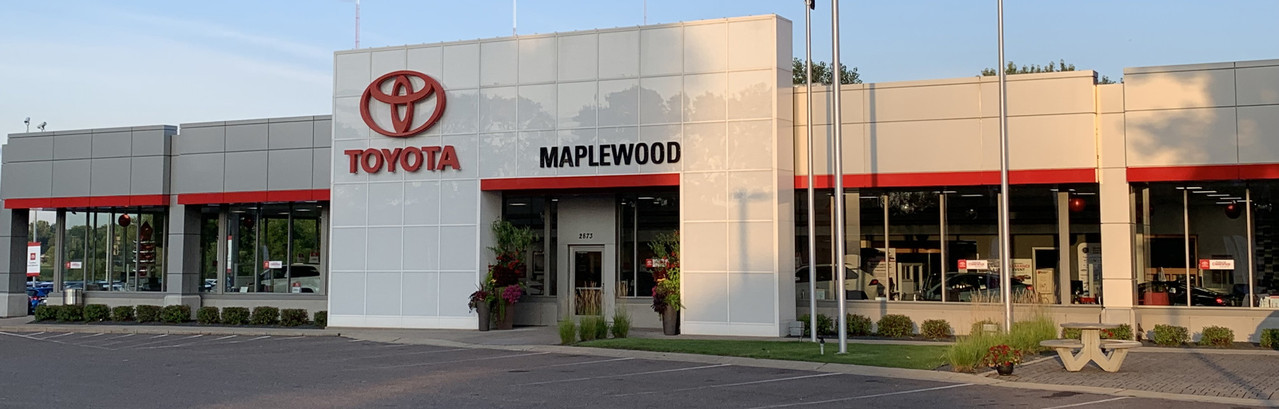
Located in the heart of Maplewood, MN, Maplewood Toyota has been a trusted part of the community for over two decades, proudly serving drivers from Saint Paul, Roseville, Minneapolis, and beyond. As a family-owned and operated dealership, our core mission is to treat every customer with the respect and honesty they deserve. We are committed to providing an exceptional experience, whether you are purchasing a new vehicle or visiting our state-of-the-art service center.
Related Articles:
Why Your Choice of Toyota Dealership in Maplewood, MN Matters